


Your cart is currently empty!

A pressure tank is an essential component in any water supply system. It plays a vital role in maintaining consistent water pressure, reducing pump cycling, and extending the lifespan of water pumps. Whether in residential, agricultural, or industrial applications, a well-chosen pressure tank ensures smooth and reliable water flow.
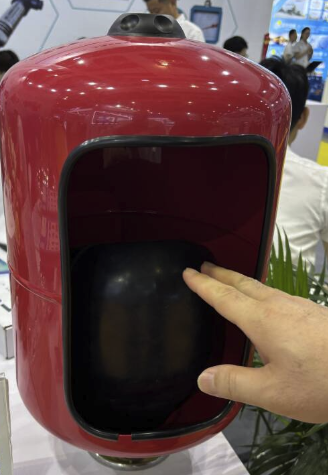
Different Names of Pressure Tanks
Pressure tanks are known by various names depending on the region or application. Common terms include:
- Pressure Tank
- Water Pressure Tank
- Bladder Tank
- Diaphragm Tank
- Expansion Tank (mainly in HVAC systems)
- Hydro-pneumatic Tank
- Constant Pressure Tank
- Pressure Stabilizing Tank
Although the terminology varies, all refer to devices that store water under pressure and balance the system through air and water interaction.
How a Pressure Tank Works
A typical pressure tank contains a water chamber, an air chamber, and a flexible diaphragm. Here’s how it works:
- When the pump starts, water enters the tank and compresses the air above the diaphragm.
- As pressure increases, the pump stops once it reaches the preset upper limit.
- When water is used, the compressed air pushes water out of the tank, maintaining steady pressure.
- When pressure drops below the lower limit, the pump restarts to refill the tank.
This process prevents frequent pump on/off cycling, reduces wear on the motor, and improves energy efficiency.
Common Applications
Pressure tanks are widely used in various water systems, such as:
- Residential water supply – stabilizing home water pressure, especially in multi-story buildings
- Agricultural irrigation – keeping spray and drip systems consistent
- Industrial water systems – stabilizing supply to equipment and reducing pressure shock
- Firefighting systems – maintaining standby pressure for emergency response
- HVAC systems – acting as expansion tanks to absorb pressure changes due to temperature variations
How to Choose the Right Pressure Tank
When selecting a pressure tank, consider the following factors:
- Tank Capacity – Common sizes: 24L, 50L, 100L, 200L, 500L, etc.
- Working Pressure – Typical ratings: 6 bar, 10 bar, 16 bar.
- Material – Options include carbon steel, stainless steel, and fiberglass.
- Diaphragm Type – Replaceable or fixed diaphragm.
- Connection Type – Threaded or flanged connections.
- Control System – Can be used with a pressure switch, inverter, or constant pressure controller.
A properly sized tank ensures optimal performance, energy savings, and long-term reliability.
Installation and Maintenance Tips
Install the tank vertically and ensure it’s placed on a firm, level base.
- Set the pre-charge air pressure about 0.2 bar lower than the pump start pressure.
- Check air pressure every 3–6 months to maintain optimal performance.
- If the pump starts and stops too frequently, inspect the air charge or diaphragm condition.
Regular maintenance ensures stable operation and prolongs the service life of both the tank and the pump.
Conclusion
A pressure tank is the heart of a stable water system. It guarantees constant pressure, protects your pump, and provides uninterrupted water supply when needed. Whether for domestic, agricultural, or industrial use, choosing a high-quality pressure tank is a smart investment in reliability and efficiency.
Need Professional Advice?
EIIMAN engineering team can help you design a complete pump and pressure tank system tailored to your application.
Leave a Reply